Building Safety Act 2022 Explained: What Flat Owners Need to Know
By Arman Khosravi · · 2 min read
Following the Grenfell Tower tragedy, the Building Safety Act 2022 introduced significant reforms designed to improve building safety and protect leaseholders from certain remediation costs.
For owners of modern apartments, these changes have also affected the conveyancing process.
Why Does the Act Matter?
Many apartment buildings are now subject to additional enquiries during conveyancing.
Solicitors frequently request documentation confirming whether protections under the Building Safety Act apply.
Without this information, transactions can be delayed.
Additional Documentation
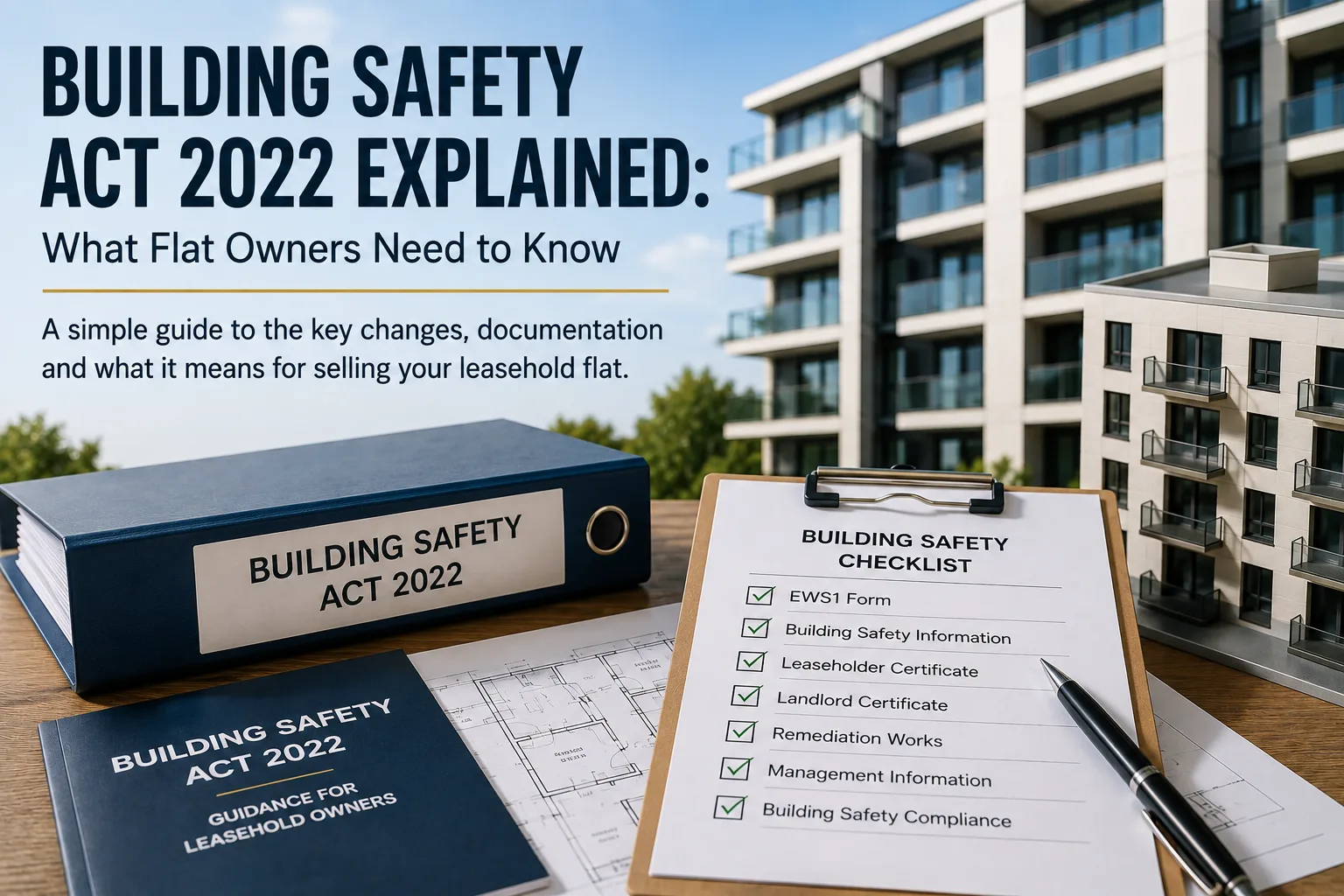
Depending on the building, sellers may be asked to provide documentation such as:
- Building Safety information;
- Leaseholder Certificates;
- Landlord Certificates;
- information regarding remediation works;
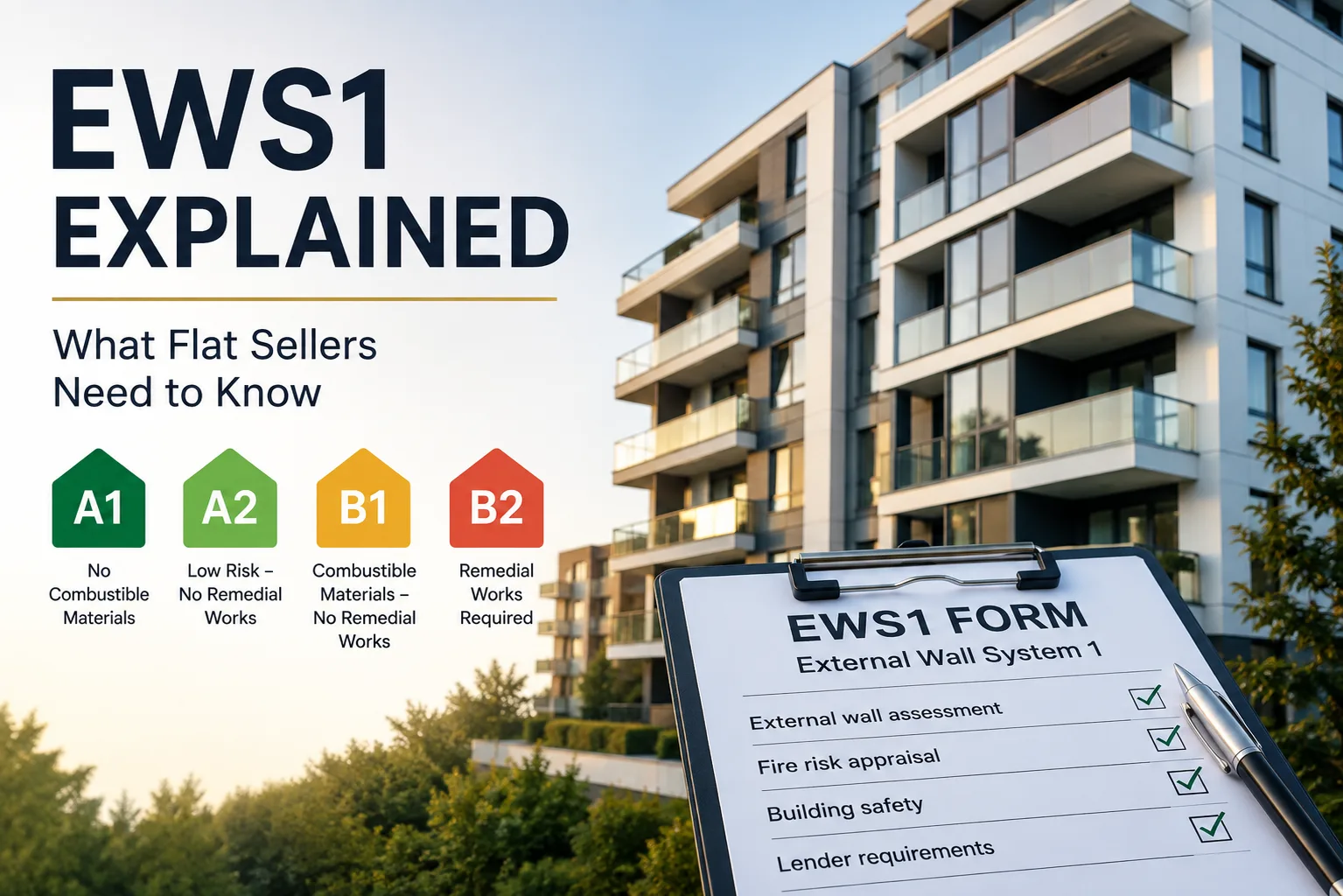
- EWS1 documentation (where available).
Obtaining these documents can take time.
The Cost of Delay
One of the most common causes of delay is waiting until after a buyer has been found before requesting information from the managing agents.
Management packs and building safety documentation can take several weeks to arrive.
Ordering these early can significantly improve transaction times.
What Sellers Should Do
Before marketing a leasehold apartment, consider:
- confirming whether an EWS1 Form exists;
- identifying whether Building Safety Act documentation is likely to be required;
- requesting the management information pack early;
- checking whether any remediation works are ongoing;
- ensuring your solicitor is familiar with the legislation.
Why This Matters
Today's buyers are increasingly informed.
Many ask questions about cladding, remediation and building safety before they even instruct solicitors.
Providing accurate information early helps build confidence and reduces uncertainty.
Final Thoughts
The Building Safety Act has undoubtedly made some leasehold transactions more complex.
However, with the right preparation, many of these issues can be identified and addressed before they become obstacles to a successful sale.
At Hermens Property, we believe preparation is one of the most important parts of a successful transaction. Understanding the Building Safety Act before marketing your property can save valuable time, reduce stress and improve the likelihood of a smooth completion.

About the author
Arman Khosravi is a solicitor and partner at Oliver Fisher, and the founder of Hermens Property.
Read Arman's profileSpeak to us
Thinking of selling or letting, or have a question about your property?