Why a Cash Buyer Doesn't Always Mean a Guaranteed Sale
By Arman Khosravi · · 2 min read

Estate agents often describe cash buyers as being in the strongest possible position.
Generally speaking, that's true.
Without a mortgage lender involved, transactions are often quicker and there is less risk of delays.
However, cash buyers are not unconditional buyers.
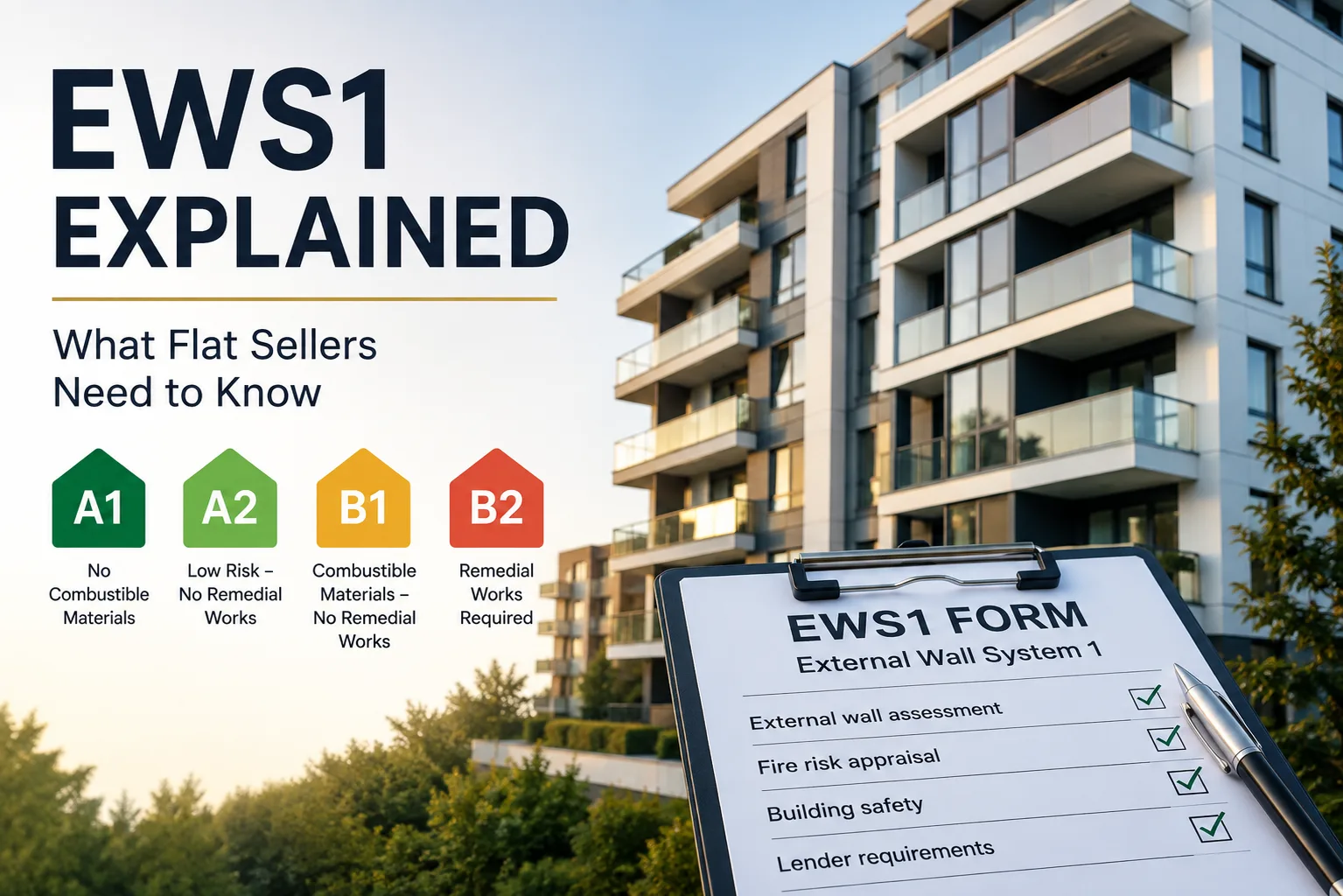
At Hermens Property we recently agreed the sale of a modern apartment to a first-time cash buyer. Despite not requiring a mortgage, the buyer quite reasonably made their offer conditional upon the building having a satisfactory EWS1 rating. He previously lost several thousand pounds on solicitors fees discovering a previous property was not mortgageable.
Until that information was available, they did not wish to incur legal costs by instructing solicitors.
It was a sensible commercial decision.
Common Conditions Cash Buyers Still Have
Even where no mortgage is required, buyers often make offers subject to:
- satisfactory title investigations;
- acceptable lease terms;
- satisfactory EWS1 documentation;
- service charge information;
- Building Safety Act documentation;
- management information;
- surveys; and
- confirmation that all advertised features form part of the legal title.
Why Early Preparation Matters
The sooner sellers obtain key documentation, the sooner genuine buyers gain confidence.
For leasehold apartments this often includes:
- EWS1 Forms;
- management information packs (LPE1);
- service charge accounts;
- insurance information;
- Building Safety documentation.
Obtaining these documents early can significantly reduce delays.
Cash Does Not Remove Due Diligence
A cash buyer is simply not borrowing money.
They still want to know exactly what they are buying.
Good estate agency is about identifying potential issues before they become obstacles.
Final Thoughts
Cash buyers remain highly desirable because they often offer greater certainty and faster transactions.
However, they still carry out careful due diligence.
Preparing thoroughly before marketing your property gives every buyer—cash or mortgage—the confidence to proceed.

About the author
Arman Khosravi is a solicitor and Partner at Oliver Fisher Solicitors, and co-founder of Hermens Property.
Read Arman's profileSpeak to us
Thinking of selling or letting, or have a question about your property?